⚡ Boost Your Voltage, Elevate Your Innovation!
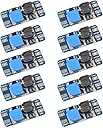
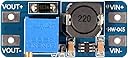
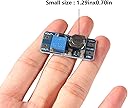
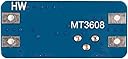
The Dorhea DC-DC Step Up Boost Power Converter is a compact, high-efficiency voltage regulator module delivering adjustable 5V to 28V output at up to 2A. Featuring a 3608 booster chip with 93% conversion efficiency, it includes essential protections like under-voltage lockout and thermal overload safeguards. Ideal for DIY electronics, industrial equipment, and battery-powered projects, this pack of 10 modules offers versatile power solutions in a sleek, USB-compatible design.
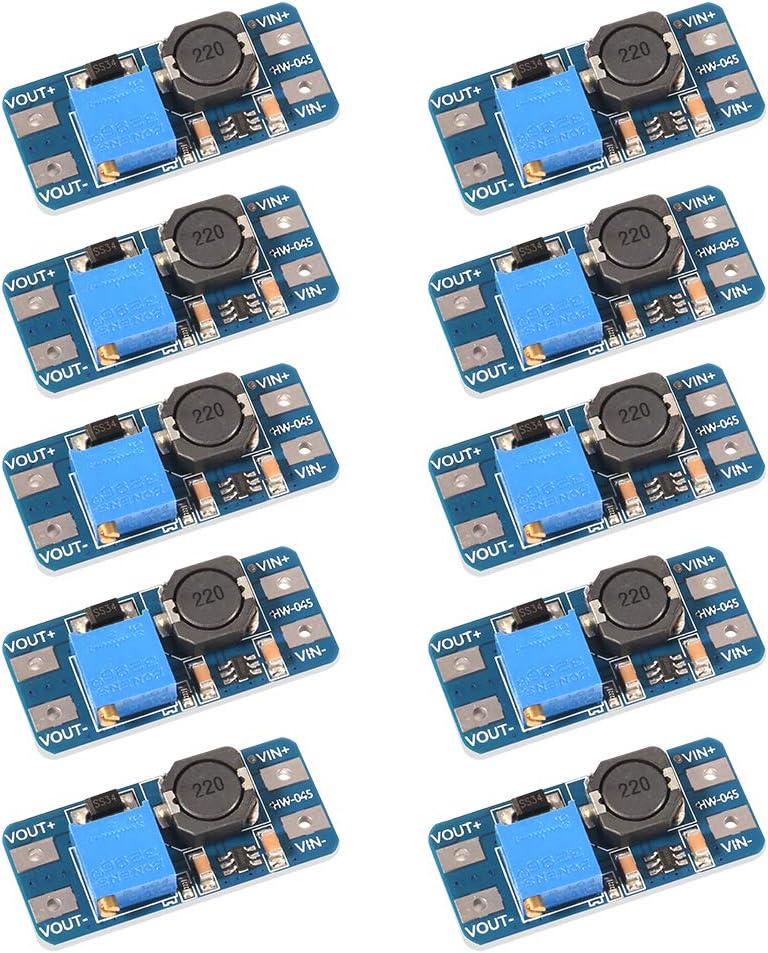
| ASIN | B089JYBF25 |
| Brand | DORHEA |
| Current Rating | 2 Amps |
| Current rating | 2 Amps |
| Customer Reviews | 3.9 out of 5 stars 435 Reviews |
| Item Weight | 1.76 Ounces |
| Item weight | 1.76 Ounces |
| Manufacturer | Dorhea |
| Manufacturer Part Number | U13538-1 |
| Minimum Frequency | 50 Hz |
| Model Number | U13538-1 |
| Mounting Type | PCB Mount |
| Mounting type | PCB Mount |
| Power Source | Battery Powered |
| Power source | Battery Powered |
| UPC | 701715434011 |
L**K
Excellent for easy applications.
I had the desire to reliably control my Noctua 12V 0.6Amp fan, but when powered from the wall-mounted, socket with a USB port (5V, 3.1Amp max supply). The fan works brilliantly within the full voltage range between 5.2V-12V. I am very happy with the purchase as the unit does not heat up at all and is stone-cold even after 3h of continuous work. The pot is quite sensitive, circa 2 turns per Volt Little side note: Comments sections are really entertaining: it appears that only a few people had sufficient grasp of knowledge, that from 4.2V LiPo battery, even if you connect four of those boost units, you will not get reliable 110V AC ;) On the other hand - always choose the boost applicable to the project. Happy tinkering, guys.
P**G
The boards are defective. Not really finally.
I received 10 boards and tested 1 of them and did not work with 4.1v input. No change in output voltage regardless of potentiometer. Tried two more boards and they are the same. The boards should work with greater than 2v but did not work. I am returning them no point of checking remaining 7 boards. After further testing none of the boards are defective. The issue is that you need to turn potentiometer at least 20~30 turns all the way both sides and at one point output voltage will increase. Turn until u hear click sound. If no change then turn opposite direction and it should work but many turns in that direction.
O**Y
Quality is good
Quality is good
G**Q
Convenient DC-DC supply of 20V
I use these module in a product I sell. I need a source of 20V from the internal 12V supply. They are simple, convenient, readily available and inexpensive. So far, they have been reliable and easy to use.
T**S
Don’t know what all the fuss is about, they all work fine.
I saw the copious negative reviews for these, but they were dirt cheap so I gambled anyway. I rapidly tested three modules on my bench just to see what all the fuss was about. They all worked perfectly fine. Even with 3.4V input I could take them past 20V output at moderate load. At lower voltage delta, I could push them past an amp. Yeah, voltage will sag at high loads, so adjust based on your load. Voltage was reasonably stable for a given load and pot adjustment. At certain points I could hear some switching harmonics, but that’s normal. I think people need a reality check. You want a truly constant voltage power source? You ain’t getting it from a <$1 module. Sure the listing rates these at 2A, but also use some common sense. That’s probably an intermittent maximum rating and it very much depends on how much of a step up you are asking the little device for. More realistically, put a realistic power expectation in your head and understand that you need to derate as you increase the step up. I tested 12Vin and 16Vout with 2A output and had no issues. Efficiency drops as voltage delta increases. It’s a tiny little switcher IC and there’s no heatsink. Play stupid thermal games with it and win stupid thermal prizes. You want a comprehensive datasheet with exact thermal and load ratings? Go spend more money or build your own to spec. If you don’t understand that most trimmer pots are 20 turn, don’t play with module level components. If you just want a really cheap way to step up a voltage and you have realistic power expectations based on the size of this little IC, hard to beat these.
E**S
Must connect to 2 amp power or less otherwise it burns up
Works great, but I accidently burned up 2 of them connecting them to a power source that was not limited to 2 amps. I'm using them on rc cars to step up 6v to 24v for some led strips. Power them from the bec of the reciever instead of directly from the battery if you do the same thing. These have a good amount of voltage ajustability while being small in size and a pretty good price so I would easily buy more if I need to. If you know what you're doing it's easy to use and easy to tune the accuracy of the voltage you want. (Don't worry it's just a temporary setup; everything will be soldered when it's done)
Trustpilot
3 weeks ago
2 days ago