![Spotlight [Blu-ray]](https://m.media-amazon.com/images/I/91Zy18In8IL._AC_SL3840_.jpg)
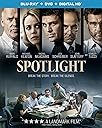
Spotlight [Blu-ray]
Product ID: 24147352
Details
- FormatBlu-ray copy
- GenreArthouse Drama
- Initial release date2016-02-23
- LanguageEnglish
Buy anything from 5,000+ international stores. One checkout price. No surprise fees. Join 2M+ shoppers on Desertcart.
Desertcart purchases this item on your behalf and handles shipping, customs, and support to GERMANY.
Michael Keaton, Mark Ruffalo, and Rachel McAdams lead a critically acclaimed cast in this gripping true story about the Pulitzer Prize-winning investigation that uncovered a scandal that rocked one of the world's oldest and most trusted institutions. Delving into allegations of child abuse within the local Catholic Archdiocese, a tenacious team of Boston Globe reporters exposes a decades-long cover-up that reaches the highest levels of Boston's religious, legal, and government establishment. "Brilliantly acted and flawlessly directed" (New York Post) Spotlight is a powerful and riveting drama the critics are calling "the All the President's Men of our time" (Los Angeles Times). Bonus Content Review: expertly crafted, expertly researched, and expertly contained - 𝑻𝒉𝒆𝒚 𝒌𝒏𝒆𝒘 𝒂𝒏𝒅 𝒕𝒉𝒆𝒚 𝒍𝒆𝒕 𝒊𝒕 𝒉𝒂𝒑𝒑𝒆𝒏! 𝑰𝒕 𝒄𝒐𝒖𝒍𝒅 𝒉𝒂𝒗𝒆 𝒃𝒆𝒆𝒏 𝒚𝒐𝒖, 𝒊𝒕 𝒄𝒐𝒖𝒍𝒅 𝒉𝒂𝒗𝒆 𝒃𝒆𝒆𝒏 𝒎𝒆, 𝒊𝒕 𝒄𝒐𝒖𝒍𝒅 𝒉𝒂𝒗𝒆 𝒃𝒆𝒆𝒏 𝒂𝒏𝒚 𝒐𝒇 𝒖𝒔! The topic of child sexual abuse by Roman Catholic priests in the United States was first formally publicized in 1985 when a Louisiana priest pleaded guilty to 11 counts of molestation of young boys. A study conducted by the John Jay College of Criminal Justice )which analyzed these allegations of sexual abuse from 1950 to 2002) indicated that over this span of time 11,000 allegations had been made against 4,390 priests (which is approximately 4% of these priests) in the United States. To read this report and its subsequent findings please refer to this link: https://www.bishop-accountability.org/reports/2004_02_27_JohnJay/index.html Spotlight is a 2015 American biographical drama film directed by Tom McCarthy and written by McCarthy and Josh Singer. It film follows The Boston Globe's "Spotlight" team, the oldest continuously operating newspaper investigative journalist unit in the United States, and its investigation into cases of widespread and systemic child sex abuse in the Boston area by numerous Roman Catholic priests. It is based on a series of stories by the Spotlight team that earned The Globe the 2003 Pulitzer Prize for Public Service. The film features an ensemble cast including Mark Ruffalo, Michael Keaton, Rachel McAdams, John Slattery, and Stanley Tucci, with Brian d'Arcy James, Liev Schreiber, and Billy Crudup in supporting roles. Covering the span of approximately 30 years worth of interactions ‘Spotlight’ is in the perfect position to be considerably incomprehensible; with the exception of some dialogue centered around name drops (𝒘𝒉𝒊𝒄𝒉 𝒊𝒔 𝒎𝒚 𝒂𝒓𝒄𝒉 𝒏𝒆𝒎𝒆𝒔𝒊𝒔 🙄) and those in which characters are expected to read between the lines Singer and McCarthys’ writing and direction makes for an investigation that is gripping and easily digested. Still a tough pill to swallow regardless: there is a deeply intimate intermingling of elements throughout that threatens convolution, but the networks of communication and their subsequent influence on the main conflict are maintained as priorities. At times there are characteristics that seem persistently internalized (like motivation), the lack of cognizance in these regards doesn’t distract from the bigger picture at hand. In preparation for their specific roles both Keaton and Ruffalo met with their real life counterparts (Walter Robinson and Michael Rezendes, respectively). The interviews conducted between them happened over the course of several months (with both Robinson and Resendez often on set) and involved lengthy attempts at replicating and adapting their various patterns of behavior (including vocal patterns!). Their subsequent representations on-screen were reacted to approvingly and they went as far as separately agreeing that watching Ruffalo and Keaton was “like looking into a mirror”. What's most impressive is the humbling dramatization of their performances and the fact that they remain statically dignifying: they never rise above the seriousness of the enclosed subject matter while still packing a punch. As equally important is the presence of those representing victims interviewed - with Jimmy LeBlanc being an actual survival of clergy abuse- and the extent at which they deliver dialogue that is both tear worthy and contextually insightful. Due to the fidelity to its subject matter and commitment to authenticity this is the first movie to win the prestige of a Veritas Award. This devotion goes above and beyond flashy aesthetics and gritty screenplay through the use of reporters (including those from 𝑻𝒉𝒆 𝑮𝒍𝒐𝒃𝒆 itself) being regularly referred to for their input regarding artistic and alternatively pragmatic related decisions. As a result of this sensitive pieces of information are leafed through, but they're parsimonious summaries are executed without sacrificing the overarching integrity of ‘Spotlight’ as a whole. It is worth noting that some characters have been noted as being misrepresented (like Paquin’s openness to admitting to abusing anybody being exaggerated and happening much earlier than it did in real life), but these alterations elaborate on the systematic nature of this investigation and the enormity of roadblocks compromising its success. Me? I have no way of personally connecting to scandals regarding sexual abuse happening within the context of a religious institution, but ‘Spotlight’ makes no presumptions about its audience to the point of apathy or indifference. This certainly isn't the most exciting watch, but it's expertly crafted, expertly researched, and expertly contained. Above all else: any film tackling a culture of silence in this regard has my utmost gratitude, and the Vatican recently announcing the appointment of a tribunal in an attempt to hold accused Bishops accountable speaks to the transformative nature of films like this that are often hiding in plain sight. For those of you out there struggling with this form of exploitation I always like to explicitly say that I am here for you. That I don't need to live your truth to enthusiastically engage with it. That your truth is always worth listening to: I guarantee that For anyone interested in knowing more about clergy abuse and to anyone that needs to file a report please refer to the following resources as necessary: https://www.camdendiocese.org/clergysexabuseresources/ https://reportbishopabuse.org/ Review: Turning A Blind Eye - 'Spotlight' was one of the most riveting films I have seen this year. I viewed the film while my tea got cold, my dinner waited, because I had to see the end. Of course, I knew the end, I live in New England, and I remember these days, but how the story was born, the reporters and the Spotlight portion of the Boston Globe just entranced me. The Globe has a great reputation and when a new Editor in Chief, Marty Baron, played by Liev Schreiber, comes to the Globe he is looking for a story that will garner more readers and will prove to in Boston's best interests. And, did he get what he wanted and more. Walter Robinson, played by Michael Keaton, is a superb newspaper man, a leads this elite group of four journalists who can carve out a side of history. What Baron found was a small story about a priest abusing children, he suggested this avenue. The group, at first reluctant, fell into this story full force, working around the clock, this team was the best. The reporters included Mike Rezendes, played by Mark Ruffalo, and Ruffalo gives this role everything he has, superb. Sacha Pfeiffer, played by Rachel McAdams, another fabulous actor,and Matt Carroll, played by Brian d’Arcy James. The editor at the time, Ben Bradlee, Jr., played by John Slattery, is the most reluctant to pursue the story, but he was quickly initiated. As the team finds clues, interviews victims, lawyers and the like, the entire story unfolds. This is a systematic cover up of abuse of thousands of children, at least by 70 Priests in Boston, and it spread throughout the world. It is sickening to think this abuse went on for years and priests were moved from parish to parish, lives destroyed, millions paid out to the victims. The Catholic Church was culpable and turned a blind eye, it is very difficult to understand this folly. Why the Church is still standing is a testament to someone's faith. Such a superb film in every area, storyline, directing, music, and the actors. A true story come to life. Highly Recommended. prisrob 02-23-16
| Contributor | Blye Pagon Faust, John Slattery, Josh Singer, Liev Schreiber, Mark Ruffalo, Michael Keaton, Michael Sugar, Nicole Rocklin, Rachel McAdams, Stanley Tucci, Steve Golin, Tom McArdle, Tom McCarthy Contributor Blye Pagon Faust, John Slattery, Josh Singer, Liev Schreiber, Mark Ruffalo, Michael Keaton, Michael Sugar, Nicole Rocklin, Rachel McAdams, Stanley Tucci, Steve Golin, Tom McArdle, Tom McCarthy See more |
| Customer Reviews | 4.7 out of 5 stars 9,371 Reviews |
| Format | Blu-ray, Digital copy, NTSC, Subtitled |
| Genre | Arthouse, Drama, Suspense |
| Initial release date | 2016-02-23 |
| Language | English |
C**S
expertly crafted, expertly researched, and expertly contained
𝑻𝒉𝒆𝒚 𝒌𝒏𝒆𝒘 𝒂𝒏𝒅 𝒕𝒉𝒆𝒚 𝒍𝒆𝒕 𝒊𝒕 𝒉𝒂𝒑𝒑𝒆𝒏! 𝑰𝒕 𝒄𝒐𝒖𝒍𝒅 𝒉𝒂𝒗𝒆 𝒃𝒆𝒆𝒏 𝒚𝒐𝒖, 𝒊𝒕 𝒄𝒐𝒖𝒍𝒅 𝒉𝒂𝒗𝒆 𝒃𝒆𝒆𝒏 𝒎𝒆, 𝒊𝒕 𝒄𝒐𝒖𝒍𝒅 𝒉𝒂𝒗𝒆 𝒃𝒆𝒆𝒏 𝒂𝒏𝒚 𝒐𝒇 𝒖𝒔! The topic of child sexual abuse by Roman Catholic priests in the United States was first formally publicized in 1985 when a Louisiana priest pleaded guilty to 11 counts of molestation of young boys. A study conducted by the John Jay College of Criminal Justice )which analyzed these allegations of sexual abuse from 1950 to 2002) indicated that over this span of time 11,000 allegations had been made against 4,390 priests (which is approximately 4% of these priests) in the United States. To read this report and its subsequent findings please refer to this link: https://www.bishop-accountability.org/reports/2004_02_27_JohnJay/index.html Spotlight is a 2015 American biographical drama film directed by Tom McCarthy and written by McCarthy and Josh Singer. It film follows The Boston Globe's "Spotlight" team, the oldest continuously operating newspaper investigative journalist unit in the United States, and its investigation into cases of widespread and systemic child sex abuse in the Boston area by numerous Roman Catholic priests. It is based on a series of stories by the Spotlight team that earned The Globe the 2003 Pulitzer Prize for Public Service. The film features an ensemble cast including Mark Ruffalo, Michael Keaton, Rachel McAdams, John Slattery, and Stanley Tucci, with Brian d'Arcy James, Liev Schreiber, and Billy Crudup in supporting roles. Covering the span of approximately 30 years worth of interactions ‘Spotlight’ is in the perfect position to be considerably incomprehensible; with the exception of some dialogue centered around name drops (𝒘𝒉𝒊𝒄𝒉 𝒊𝒔 𝒎𝒚 𝒂𝒓𝒄𝒉 𝒏𝒆𝒎𝒆𝒔𝒊𝒔 🙄) and those in which characters are expected to read between the lines Singer and McCarthys’ writing and direction makes for an investigation that is gripping and easily digested. Still a tough pill to swallow regardless: there is a deeply intimate intermingling of elements throughout that threatens convolution, but the networks of communication and their subsequent influence on the main conflict are maintained as priorities. At times there are characteristics that seem persistently internalized (like motivation), the lack of cognizance in these regards doesn’t distract from the bigger picture at hand. In preparation for their specific roles both Keaton and Ruffalo met with their real life counterparts (Walter Robinson and Michael Rezendes, respectively). The interviews conducted between them happened over the course of several months (with both Robinson and Resendez often on set) and involved lengthy attempts at replicating and adapting their various patterns of behavior (including vocal patterns!). Their subsequent representations on-screen were reacted to approvingly and they went as far as separately agreeing that watching Ruffalo and Keaton was “like looking into a mirror”. What's most impressive is the humbling dramatization of their performances and the fact that they remain statically dignifying: they never rise above the seriousness of the enclosed subject matter while still packing a punch. As equally important is the presence of those representing victims interviewed - with Jimmy LeBlanc being an actual survival of clergy abuse- and the extent at which they deliver dialogue that is both tear worthy and contextually insightful. Due to the fidelity to its subject matter and commitment to authenticity this is the first movie to win the prestige of a Veritas Award. This devotion goes above and beyond flashy aesthetics and gritty screenplay through the use of reporters (including those from 𝑻𝒉𝒆 𝑮𝒍𝒐𝒃𝒆 itself) being regularly referred to for their input regarding artistic and alternatively pragmatic related decisions. As a result of this sensitive pieces of information are leafed through, but they're parsimonious summaries are executed without sacrificing the overarching integrity of ‘Spotlight’ as a whole. It is worth noting that some characters have been noted as being misrepresented (like Paquin’s openness to admitting to abusing anybody being exaggerated and happening much earlier than it did in real life), but these alterations elaborate on the systematic nature of this investigation and the enormity of roadblocks compromising its success. Me? I have no way of personally connecting to scandals regarding sexual abuse happening within the context of a religious institution, but ‘Spotlight’ makes no presumptions about its audience to the point of apathy or indifference. This certainly isn't the most exciting watch, but it's expertly crafted, expertly researched, and expertly contained. Above all else: any film tackling a culture of silence in this regard has my utmost gratitude, and the Vatican recently announcing the appointment of a tribunal in an attempt to hold accused Bishops accountable speaks to the transformative nature of films like this that are often hiding in plain sight. For those of you out there struggling with this form of exploitation I always like to explicitly say that I am here for you. That I don't need to live your truth to enthusiastically engage with it. That your truth is always worth listening to: I guarantee that For anyone interested in knowing more about clergy abuse and to anyone that needs to file a report please refer to the following resources as necessary: https://www.camdendiocese.org/clergysexabuseresources/ https://reportbishopabuse.org/
P**B
Turning A Blind Eye
'Spotlight' was one of the most riveting films I have seen this year. I viewed the film while my tea got cold, my dinner waited, because I had to see the end. Of course, I knew the end, I live in New England, and I remember these days, but how the story was born, the reporters and the Spotlight portion of the Boston Globe just entranced me. The Globe has a great reputation and when a new Editor in Chief, Marty Baron, played by Liev Schreiber, comes to the Globe he is looking for a story that will garner more readers and will prove to in Boston's best interests. And, did he get what he wanted and more. Walter Robinson, played by Michael Keaton, is a superb newspaper man, a leads this elite group of four journalists who can carve out a side of history. What Baron found was a small story about a priest abusing children, he suggested this avenue. The group, at first reluctant, fell into this story full force, working around the clock, this team was the best. The reporters included Mike Rezendes, played by Mark Ruffalo, and Ruffalo gives this role everything he has, superb. Sacha Pfeiffer, played by Rachel McAdams, another fabulous actor,and Matt Carroll, played by Brian d’Arcy James. The editor at the time, Ben Bradlee, Jr., played by John Slattery, is the most reluctant to pursue the story, but he was quickly initiated. As the team finds clues, interviews victims, lawyers and the like, the entire story unfolds. This is a systematic cover up of abuse of thousands of children, at least by 70 Priests in Boston, and it spread throughout the world. It is sickening to think this abuse went on for years and priests were moved from parish to parish, lives destroyed, millions paid out to the victims. The Catholic Church was culpable and turned a blind eye, it is very difficult to understand this folly. Why the Church is still standing is a testament to someone's faith. Such a superb film in every area, storyline, directing, music, and the actors. A true story come to life. Highly Recommended. prisrob 02-23-16
H**A
Just a beautiful piece of moviemaking
This movie neatly encapsulates "The Boston Globe's" investigation of the widespread coverup by the Roman Catholic Church of systemic child rape in the U.S. This particular case resulted in the exposure of Bernard Cardinal Law, who was subsequently transferred to the Vatican by Pope John II. The irony that he faced no charges, but was protected by Church authorities, will be lost on no one. However, the movie doesn't address the aftermath of the investigation in any depth, nor the wider effect of the conspiracy on not only the American church, but other countries as well. Instead, it takes us through the investigation by the paper's Spotlight investigative reporting team. The film's dialogue is smart and fast (the screenplay won a lot of awards), and while they don't show the way stories are covered/investigated in detail, everything they do show is accurate. The gold standard for a movie's portrayal of a newsroom remains "All the President's Men," as old as that film is, but I think this one is nearly tied. There's no drama and no fireworks, just the day-to-day workday of reporters and editors. Coincidentally, the "The Washington Post's" Watergate investigation was helmed by Ben Bradlee, and the "Globe's" coverage was immediately supervised by Ben Bradlee, Jr. Martin Baron, who was executive editor during the "Globe's" investigation - and who insisted the story be covered - is now executive editor at the "Post." It's a little like sports teams and coaches - there are only so many people to recruit from for elite teams. All the acting is remarkable here, but certainly Michael Keaton and Liev Schreiber have to be given special consideration. While Rachel McAdams and Mark Ruffalo received Oscar nominations (and deserved them), it's Keaton and Schreiber who took my breath away. Schreiber, as usual, quietly underplays Baron, and looks like his doppelganger. He's a lurking presence even when his character is off screen. Keaton also quietly underplays Robby Robinson, making his portrayal all the more powerful. Keaton's always been one of America's acting treasures, with a range that few others have. His schizoaffective and hilarious Beetlejuice is as compelling as his subtlety here. I'd watch those two in anything, and hope that they make more movies ASAP. There have been few complaints about the film by real-life people, possibly since the Vatican itself praised it highly. One thing that "Spotlight" proves is that investigative teams are necessary to American journalism. Newspapers aren't irrelevant, and newspapers of record are an integral part of our political system. Their future might be completely on line, but if they maintain the standards of professional journalism, they'll always remain a fundamental way for citizens to find out what corporations, powerful groups, and our government are doing behind the scenes. The pity of it is that investigative units are the first to go during budget cuts, as are senior editors and reporters. In fact, we need some deep investigation of news organizations, and need it fast. Anyway, watch this movie. Buy it to encourage Hollywood to make more like this one. The world is in crisis, and watching more Transformers or Marvel characters won't help that, nor add to the discussion. Documentaries aren't promoted, and many people think they're boring. I'm sure plenty of people aren't interested in the slightest in seeing "Spotlight," but the rest of us can be grateful it was made.
R**H
WOW--BRILLIANT FILM--WATCH IMMEDIATELY
The first thing that must be said about this movie: Thank God for the First Amendment and for the Fourth Estate. I am so grateful to the hard-working journalists who have brought these stories about clerical sexual abuse to light in Boston and all the other places. Second, what a brilliant film. Tight script with incredible acting by so many, including Ruffalo (who normally annoys me in other roles), Keaton (who is just amazing in this), McAdams, Schreiber, Tucci, and Slattery. Deserving of the awards it won at the Oscars for best picture and best screenplay. Would have been deserving for some actors to win too for their roles in this, but I realize those awards are not given in a vacuum--many other good competitors from other films. Nice score. And the costumes are beautiful. I like how it shows the real work of writing an investigative story. Just regular people in a certain way doing their job well--working on a hunch, working sources, solving problems together, making judgment calls. If you are looking for a film to watch right now, look no further--you have gold in your hands. An excellent, fun, important film.
R**C
It's hard to watch, but so good, and so important
I had this movie in my Netflix queue for well over a year, and then I guess it disappeared because Amazon claimed it. I could never get myself to watch it, because I knew it would be hard to watch. Though I am far beyond being a lapsed Catholic--really even questioning the existence of any god, let alone the one I learned about from birth--something kept me from seeing this since the film was made. We had two Franciscan priests in my mother's family, and we were very active supporting the teen center, held in a parish building, for several years. Two seminarians attached to the parish worked closely with my mother, and then both my parents, as the family mounted a production of a musical that would have its premiere in my small city, to benefit the teen center. Though nothing about the teen center or the show was restricted to Catholics, those seminarians and several other clergy worked with all of us to put on the show and support the teen center. Because my family was very social and I guess pretty unusual, due to our involvement in theater and music, the seminarians were happy to come to dinners and parties at our house. They and one other seminarian treated our house as a second home, which was fine with us. They were great guys. We attended the ceremonies where they became deacons and later their ordinations as priests. As time passed and my family moved out of that small city and broke up, we all lost lose touch. But one evening, when I was out of college and working as a cocktail waitress at a restaurant, my mother called and asked me to go over to her house when I finished my shift. It was an early shift, so I didn't get there very late, but when I did, the priest (one of the "boys" I'll call "G") who was visiting had already had quite a bit to drink. Mom was so excited to have him visiting. She left us downstairs as she went searching for some photos from that era, and G was pouring himself another drink. I went to put the kettle on for myself, and I was appalled when he cornered me in the kitchen and stuck his tongue down my throat, along with going crazy with his hands. I pushed him away, saying something like, "Jesus, G! What the hell?" I'd never seen "the boys" as more than guys not much older than my brother who had gone into the priesthood. And G had never struck me as particularly holy, though I had felt a level of commitment to the calling from the other seminarians. Mom found her photos, and we spent the rest of G's visit remembering some very happy times. He and I left Mom's house at the same time, and even though it was a 50-50 chance he'd be pulled over for a DUI, it was 1980, and even someone as drunk as he was wouldn't have any penalties attached to the stop. After all, he was a local boy and a priest--decked out in his black suit and dog collar. As the stories about priests molesting and raping children started to come out, my Catholic friends and I talked about our experiences with priests and nuns throughout our lives. I had attended Catholic elementary school, not Catholic high school, but happily ended up at a Catholic college, where I made friends I have to this day. One friend was not himself abused, but he knew of its happening to younger kids he'd attended Catholic elementary school with and some at his Catholic high school, while he was there. No matter that I had lost most faith in the religion, there were priests and especially nuns whom I loved and respected, especially for their commitment to teaching and their students. I never heard of a sexually abusive sister, but I knew of physically abusive nuns, and was on the receiving end of some heavy verbal abuse from one when I was in sixth grade. But I got "vibes" from some priests. Just that there was something "wrong" about them. It was the same feeling that several of my cousins and I had about an uncle, which we only ever discussed well after we were adults. It's almost a cliche that men in authority are as likely as not to abuse that authority, and when it's a boss, that's hard enough to deal with. What about those children whose families--broken or just not functioning well--who have believed that the priest giving them attention they crave couldn't and wouldn't hurt them? What an incredible betrayal of trust to have something that doesn't feel right and you know ISN'T right done to you by someone who should have only helped, never harmed you. I no longer have any clergy in my life, and I'm just as glad that I don't. I don't know how I would be able to have a conversation with them about this abuse--which isn't gone, by any means, because the Catholic church believes itself to be inviolate as an institution--and hear anything less than utter condemnation from them. Religion has never protected its believers from the harm itself propagates, whether spiritual, emotional, physical, or financial. That's because people are involved, and some of them have power of others. And that's all it takes, really. Power makes people feel entitled, and entitled people will too often abuse their power.
J**N
Best Picture of 2015 arrives on a decent Blu-ray.
Spotlight, a journalism-drama about the Boston Globe's whistleblowing of the Catholic Church sexual abuse allegations in 2002 has been feted as Best Picture at the 2016 Academy Awards, and the first since 1952's The Greatest Show On Earth to do so, while only winning one other award - (Coincidentally, it was Best Screenplay for both films). The tense storyline, coupled with Tom McCarthy's direction (I had no idea, as an actor, he played Ben Stiller's cocky, future brother-in-law, in Meet the Parents) and fantastic acting from the ensemble cast are what make the film outstanding. How does the Blu-ray hold up? From an A/V standpoint, the image and audio are what to be expected of a modern drama. Although mainly set in the muted, austere Globe offices, dingy homes and courtrooms, details really shine in the city scenes where DP Masanobu Takayanagi allows Boston to really show off. Audio is clean and clear, which is important for a dialogue-heavy film, surrounds get subtly used from the expected background noises during the office and city scenes. Extras include previews and three disappointingly brief featurettes: Uncovering the Truth: A Spotlight Team Roundtable is a short roundtable discussion with the original Globe team responsible for the story. Spotlight: A Look Inside and The State of Journalism are what to expect from Electronic Press Kit-style plugs, with soundbytes from the cast and crew intercut with clips from the film, while interesting, don't reveal a whole lot about the making of the film. A commentary from McCarthy or some kind of extended Q&A would've been nice. Both NPR and NBC Sunday Morning had done extensive interviews with McCarthy on the amount of research he had done for the film, so it's puzzling why Universal didn't go the extra mile to produce similar content. Another indication this Blu-ray was likely an awards-season rush-job is that there aren't even any alternate language audio tracks; only English. There are French and Spanish subtitles, but dubbed audio in those respective languages is usually standard, these days. Unless the film's reputation and critical standing holds up in the coming years, I doubt we'll see a special edition any time, soon. I checked out the DVD, and it replicates everything that's on the Blu-ray, aside from the picture quality, obviously. While clean, the image is a bit flat, unfortunately lacking the ability HD has to make fine details pop out more. Should you buy it? Depends on how much you enjoyed the film. For what you're getting, I'd advise those making a blind buy or casual purchase to seek a used copy or wait until it inevitably comes down in price. As of this writing, $20 was fair enough for me, and I consider this film as one of my favorites of the past year.
D**K
Terrific, Topnotch and Essential Watching
If this movie doesn’t drive home the importance of Freedom of the Press, nothing will. When a few anonymous individuals bring down a bastion of corruption and evil, that is, indeed, what the American ideal is all about.
S**N
An Honest and Respectably Solid Movie. One Well Worth the Praise
I was very reluctant to see this movie. As a Catholic, I didn't want to watch the movie that looked like a harsh indictment on the Church. It was only after reading how other Catholics responded to this movie that I decided to see it. I haven't stopped watching it since. Spotlight chronicles the eponymous investigation team at the Boston Globe as they go deep investigating sexual abuse within the Catholic Church starting with the Geoghan case in 1998. While Geoghan was laicized and later imprisoned, it soon became clear that he wasn't the only one. The team, led by Walter "Robby" Robinson (Michael Keaton), interviews victims and even a couple of former priests to figure out just how big and how deep this really went while figuring out just how responsible the newspaper was in the past. While there are definitely some negative depictions of the Church in this film, the movie succeeds where most biopics or true-story films have failed: maintaining objectivity with the subject matter. Tom McCarthy directed this film with sharp realism and surprising delicacy. There is no real bias, no BS in this film. The Church and the town constantly try to cover it up, but the Globe discovers that they aren't exactly innocent, either. His script and his directing style prevent any harshness even if the story seems to call for it. It's brutally honest with the details; two victims tell their stories that just left my jaw hanging as they continued. It was a tough pill for me to swallow; that such corruption would exist within the organization, that Satan would claw his way into supposed teachers and followers of Christ. The script also manages to grip you in many of its scenes, such as when Mitchell Garabeedian (Stanley Tucci) gives Michael Rezendes(Mark Ruffalo) an off-the-record tip to get the Globe the information it needs. The script holds few lines that truly stand out, with Stanley Tucci claiming almost all of them, but it's strong in its subtlety as is the ensemble. The only performances that truly stood out for me were those of Ruffalo and Tucci, and that's perfectly okay with me. Mark Ruffalo, no matter how crazy his views are in real life, always gives a performance better than the last. His Rezendes is no exception. He dominates in a couple of scenes, starting off as a punk but later evolving into a totally sympathetic character. The scene where he talks to Sasha Pfeiffer (Rachel McAdams) after his outburst hits you in a way you never thought possible. Tucci as the ever-interesting Garabeedian benefits from a solidly-written character, having the best lines and the best presence. That being said, they weren't the only ones. Each member has a very defined character: Michal Keaton as the ambitious and steadfast leader, Rachel McAdams as the counseling detective, Mark Ruffalo as the bitter punk, and Brian D'Arcy Adams as the concerned parent. As a whole, the ensemble is what really makes the movie strong as opposed to just the story or the script. It is in the subtlety and realism of the performances that really make the movie as a whole damn near impeccable. This is an important film, not because of the subject matter, but because of how it was made. Tom McCarthy's direction and script, a solid ensemble, and surprisingly objective storytelling make this the best investigate journalism film since David Fincher's Zodiac. P.S. I was thoroughly surprised and happy this won Best Picture.
R**Y
Der Kirchenskandal von Boston....
Am Anfang von "Spotlight" steht eine finstere Film Noir Sequenz, eine Rückblende ins Jahr 1976. Das Szenario wirkt schemenhaft, man erkennt aber, dass die Szene eine Polizeistation zeigt. Eine Mutter und ihr Sohn wollen etwas anzeigen, doch ein Priester und ein Anwalt intervenieren in dieser Sache, so dass die Anzeige vielleicht fallen gelassen wird. Draussen auf der nächtlichen Straße wartet eine schwarze Limousine. "Spotlight" ist der Film, der bei der diesjährigen Oscarverleihung den Preis als bester Film erringen konnte. Ausserdem wurde das Drehbuch des Regisseurs Tom McCarthy, das er gemeinsam mit Josh Singer verfasste, preisgekrönt. Es gab vier weitere Nominierung: Beste Regie, Bester Nebendarsteller Marc Ruffalo, Beste Nebendarstellerin Rachel McAdams und Bester Schnitt Tom McArdle. Der bedrückende Film befasst sich mit dem Thema "Sexueller Mißbrauch in der römisch-katholischen Kirche" - ein Thema, das lange Zeit verschwiegen und versteckt wurde und erst seit Mitte der 90er Jahre aufgrund diverser Berichterstattungen eine immer größere öffentliche Aufmerksamkeit weltweit erreichen konnte. Davor war es ein großes schambesetztes Tabuthema für die vielen Opfer und die Kirche mit den Tätern aus den eigenen Reihen recht tolerant umging. Man zog den Priester, Erzieher oder Mönch einfach aus seinem Wirkungskreis ab und versetzte ihn in eine neue Gemeinde. Doch der Reue über das teuflische Verhalten folgte die Wiederholung der Schandtat. Eine Kettenreaktion eines Teufelskreises. Als die traumatischen Erlebnisse durch die Opfer öffentlich gemacht wurden, bekam die Kirche so einen starken Druck, dass sie ihre gängige Praxis endlich überdenken mussten. Auch in Deutschland wurden zahlreiche Mißbrauchsfälle aufgedeckt, was viele Austritte aus der Kirche zur Folge hatte. Die Kirche hatte plötzlich an Vertrauen verloren und auch heute noch hat sich die Institution noch nicht ganz von diesen Skandalen erholt. "Spotlight" skizziert den "Bostoner Skandal", der von der einem kleinen Team von Journalisten der beliebten Tageszeitung "The Boston Globe" im Jhar 2002 aufgedeckt wurde. Anstoß gab der neue Chefredakteur Marty Barron (Liev Schreiber). Der Journalist aus Miami ist ein stiller Aussenseiter: Unverheiratet, Jude und ausserdem hasst er Baseball. Aber er gibt in seiner ersten Redaktionskonferenz den Anstoß an sein Team, die Geschichte über den Priester John Geoghan zu machen, der sich wohl an Dutzenden Kindern vergangen hat und von Pfarrei zu Pfarrei verschoben wurde. Seine Verfehlungen mit dem Wissen von ganz oben...was soviel heißt, dass der beliebte Kardinal Bernard Law (Len Cariou) sicherlich davon gewusst haben müsste. Barron will aber mehr als nur einen Schuldigen überführen - er will über diesen Einzelfall hinausgehen. Vielleicht, so Baron, steckt dahinter ein System. In einer Szene des Films trifft dieser Baron den Kardinal, der ihm zum Abschied des Gesprächs einen Katechismus schenkt. Law meitnte Presse und Kirche müssen zusammenarbeiten, Baron stellt aber klar, dass die Presse immer unabhängig sein muss. Nun beginnt das monatelange Recherchieren seines Investigations-Team "Spotlight": Michael Rezendes (Mark Ruffalo), Walter Robinson (Michael Keaton),, Sacha Pfeifer (Rachel McAdams) und Matt Carroll (Brian de Arcy James) sowie der Boss Ben Bradlee jr. (John Slattery). Es bringt in Erfahrung, dass das Erzbistum von den Taten gewusst und sie regelmäßig durch Versetzung des Täters vertuscht hatte, durch Geld das lebenslange Schweigen der Opfer erkauft und damit auch einen Gerichtsprozess vermieden hatte, und schließlich die gerichtlichen Akten hierzu aus dem Gerichtsarchiv hatte auslagern lassen. Die Missbrauchsfälle - zunächst als tragische Einzelfälle eingestuft - entwickeln sich immer in größerem Ausmaß. Anwalt Mitchell Garabedian (Stanley Tucci) hat es sich zur Aufgabe gemacht, den Opfern gerichtlich zu ihrem Recht zu verhelfen, doch der Widerstand des Establishments (Kirche, Gericht, einflüssreiche Bürger) ist groß. Bald muss das Team damit klarkommen, dass sich von den 1.500 Priestern in Boston ca. 6 % des Kindesmissbrauchs schuldig gemacht haben.... Ohne Effekthascherei wird diese eindringliche und spannende Geschichte über eine journalistische Aufdeckung erzählt. Mit einen hohen Anspruch und angenehm unscheinbar wird die Arbeit der Zeitungsleute beschrieben. Was schon wie aus einer anderen Welt - wenn man die heutige Dominanz der Sensationspresse und der immer schnelleren und markanteren Schlagzeilen als Vergleich nimmmt. Der Film ist einerseits ein Plädoyer an die unabhängigen Medien. Andererseits an die Stärken der Presse, wenn sie adäquat und fundiert über ein Thema schreibt. Hier in "Spotlight" wird ein Tabuthema angekratzt und das ist sicherlich löblich, dass die Verbrechen von Priestern auch endlich ans Tageslicht kommen und nicht mehr hinter den Kirchenmauern versteckt und vertuscht werden können. Die katholische Kirche hat sogar den Film sehr gelobt und gab sich selbstkritisch. Ansonsten wird hier mit leisen Tönen, aber sehr intensiv eine Feier der journalistischen Ethik und des journalistischen Professionalismus zelebriert. Wem das altmodisch vorkommt, der liegt nicht falsch. Die Zeiten ändern sich. Selbst wenn seither erst 15 Jahre vergangen sind. Ich hoffe sehr, dass diese seriöse Art der Berichterstattung mit Wahrheitsgehalt nicht nur erhalten bleibt, sondern auch in Zeiten der unseriösen Sensationspresse wieder erstarken kann.
J**T
Free and independent press
The Washington Post has a new motto on it masthead: “Democracy Dies in Darkness” Those of us who’ve been paying attention understand what it means and why it’s there. In another context the astronomer Carl Sagan once said science is “a candle in the dark”. The same applies to a free and independent press. Without it authoritarianism reigns, or, just as bad, anarchy, which is the direction the U.S. now seems tending toward, a time of false equality and relativity where every tweet and opinion is considered just as valid as the next. But the bedrock of awareness and comprehension is still books and knowledge, education and understanding, facts and truths. Without these, no coherence, clarity, understanding. Without them, bedlam, anarchy. Just because Tom, Dick and Harry have opinions doesn’t mean they know anything, and if they’re using Twitter or the equivalent as the main source of their self-expression (140 characters or less) they probably don’t. The Watergate scandal is now vanishing into the fogs and mists of history. If you’re 30 or even 40 you may not know much about it unless you are interested in political history. But it’s worth mentioning now as an object lesson in why a free and independent press is vital. Woodward and Bernstein, the reporters at the Washington Post who broke the story, were allowed to do their jobs. They became known as investigative journalists because their boss and editor (Ben Bradlee) had the support of the paper behind him. Crimes had been committed — crimes authorised by the President of the United States. How to proceed? With tail between the legs or guns blazing, so to speak? Woodward and Bernstein took the latter approach, manned up for a gunfight at the O.K. Corral. How did these reporters succeed? With dogged determination, hard work, tips, leads, phone calls, fact checking, follow-ups and clandestine meetings with an informer whom they code named Deep Throat, in cheeky tribute to a popular porn film of the same name at the time (circa 1973-74). They were professionals. They went to journalism school and graduated. They knew how to do their jobs. They were members of a free and independent press. The crass mentality of the mob these days will call them part of an elite. Fair enough. What’s wrong with that? They earned their stripes. They had credentials. They were qualified. They didn’t write about reality in 140 characters or less. Another object lesson from the above is provided by this important film under review, an Academy Award winner for Best Picture last year. In it we see, up close and personal, the process of investigative journalism as it is unfolding. The investigation concerns criminal acts perpetrated by members of the Roman Catholic Church in the American city of Boston — sex offences committed against children in its care and protection. Three cheers for irony. Spotlight in the film is a term used inside the journalistic structure of the Boston Globe, Boston’s largest daily newspaper. The group was small, four main reporters working under a senior editor. Their objective within Spotlight was to dig into stories hard to get at. In short, like some in the law enforcement professions, they were investigators. As such, by the sensitive nature of what they were tasked to do, they had to be highly skilled and experienced. The story hinges on a crucial personnel decision made by management at the Globe in 2001. A senior editor was brought in from the outside, a person with no history in and ties to Boston. His name was Marty Baron. He grew up in Florida and started out with the Miami Herald, but had recently come over to the Globe from the New York Times. As senior editor he was responsible for the metro section of the paper, which included work by Spotlight. When he arrives Spotlight is pretty low key. The team is dealing with a lingering story that has lost its legs, if it ever had any. Baron wants the team to be bolder, to look into something highly relevant to the local community. Through his own work scanning past metro columns he has noted some cursory references to a tainted priest in the Boston archdiocese of the Roman Catholic Church. A short article says a lawyer named Mitchell Garabedian made public his claim that the priest (John Geoghan) had been protected by Cardinal Bernard Law, the highest ranking bishop in the Boston archdiocese. Geoghan was a sex offender, a pedophile. The story went nowhere, killed off by the Church. Baron wants Spotlight to investigate. The Spotlight reporters — Walter Robinson, Michael Rezendes, Sacha Pfeiffer and Matt Carroll — know what this means. They’re all Catholics, mostly lapsed but still Catholics, as Boston is largely a Catholic town. They gulp collectively. The beauty of Baron, though, is that he doesn’t have to gulp. He’s nothing like them. He’s Jewish, from Florida, not Catholic from Boston. The Church is just another entity or subject to him. It may be powerful and influential, but it isn’t almighty. It may operate above the law or try to, but it’s subject to it like any other group or institution. As outsider, Baron has no vested interest, no emotional stake and history in the Church. He is fresh, unblemished, objective, dispassionate. He’s a pro, the only sort that could have tackled the story and done it successfully. So, the reporters begin to dig. It’s tough going, hard work. Nobody wants to talk. Lawyers, priests, families, victims — most are mute. Those who have spoken out, or have tried to (for instance, some families of victims) have been silenced by the Church, bought off with payments made by crooked lawyers who are also bought off. Offending priests have been reassigned within the diocese, given “sick leave”, or are shipped out of town. The scandal is hidden, the elephant huge but unseen in the room. The work is tiring, taxing, tedious. It takes tenacity to follow leads, make phone calls, search directories, find scarce documents, knock on doors slammed in their faces. It’s not easy either to make damaged people (victims) or corrupt ones (priests, lawyers, educators) open up. But some do, especially the victims. It starts with them, with their childhood memories of confusion, guilt, shame and pain. As professionals, as journalists, the main duty of the reporters is to find and report facts, to get at and publish truths. But these things do not exist independently from the people they affect. The reporters understand this. So their work also humanises them. Out of human decency they befriend their suffering subjects, acting as therapists. Digging deeper, they discover a dozen or more priests who may be guilty of sex offences against children, both boys and girls. But this estimate, in fact, is low. It’s closer to 90, a full-blown scandal happening under their noses. And, as will be revealed in the film, the Globe is one of the last to know about it (with good reason). The priests were predators, targeting the most vulnerable individuals, mainly children from low-income, broken homes where fathers were absent. They acted as proxy fathers, and in fact the Church refers to them as Fathers, so the Church can’t be accused of lacking a sense of humour, wicked and cruel though it may be. If the film has a weakness, it’s in the judicial follow-up to these crimes. They went on for years and involved nearly a hundred priests, roughly 6% of the priesthood in Boston. As valuable as investigative journalism is, the judiciary is even more important: judges, attorney generals, prosecutors, grand juries — those with the power to subpoena, examine evidence, pass judgements, reach verdicts, determine sentences, demand punishments. I would like to know how many priests were excommunicated and incarcerated for their crimes. How many were rehabilitated as persons, not as priests? Where are they now? How are they atoning for their sins? Cardinal Bernard Law is not one who is atoning. He’s still protected. Like a Nazi elected mayor of Asunción in Paraguay, he’s now a cardinal in the Basilica di Santa Maria Maggiore in Rome. What a laugh. Why doesn’t the whole creaky edifice of Catholicism come crashing down? This is the 21st century, not the 12th. Inadequate, partial answers: history, tradition, inertia; ignorance, superstition, fear. It’s the old problem, well documented in “Life of Brian”, still the greatest parody on religion ever filmed — people enslaved, conditioned by authority instead of challenging it by thinking critically, rationally, independently for themselves. Enraged at the Papacy, King Henry VIII destroyed the Roman Catholic churches and monasteries in 16th century England. The measure was extreme, but he had a good point, or thought he did. Sometimes I think so too, and this is one of them, having just watched this magnificent, disturbing film. The Church is a museum relic. Rescue your Sundays and life from it.
S**X
Worth watching... Happy I upgraded my blu ray version to 4K
This movie on 4K was worth upgrading. This was an excellent movie which tells only a small story of a huge problem in the Catholic Church organization. I feel for all the children who were abused by deviant priests and had to keep it to themselves so they wouldn't embarrass their family. The movie is excellent and tells a story worthy of being told. The acting is excellent and should have been worth an academy award.
A**R
Good Movie, great print
Good Movie, great print
M**A
Imperdible
Indispensable para entender el valor del periodismo en la sociedad como herramienta para denunciar abusos, ejercer derechos y cambiar estructuras.
Trustpilot
3 weeks ago
1 week ago