
Laden Sie die App herunter


Kundendienst
Copyright © 2025 Desertcart Holdings Limited
Laden Sie die App herunter
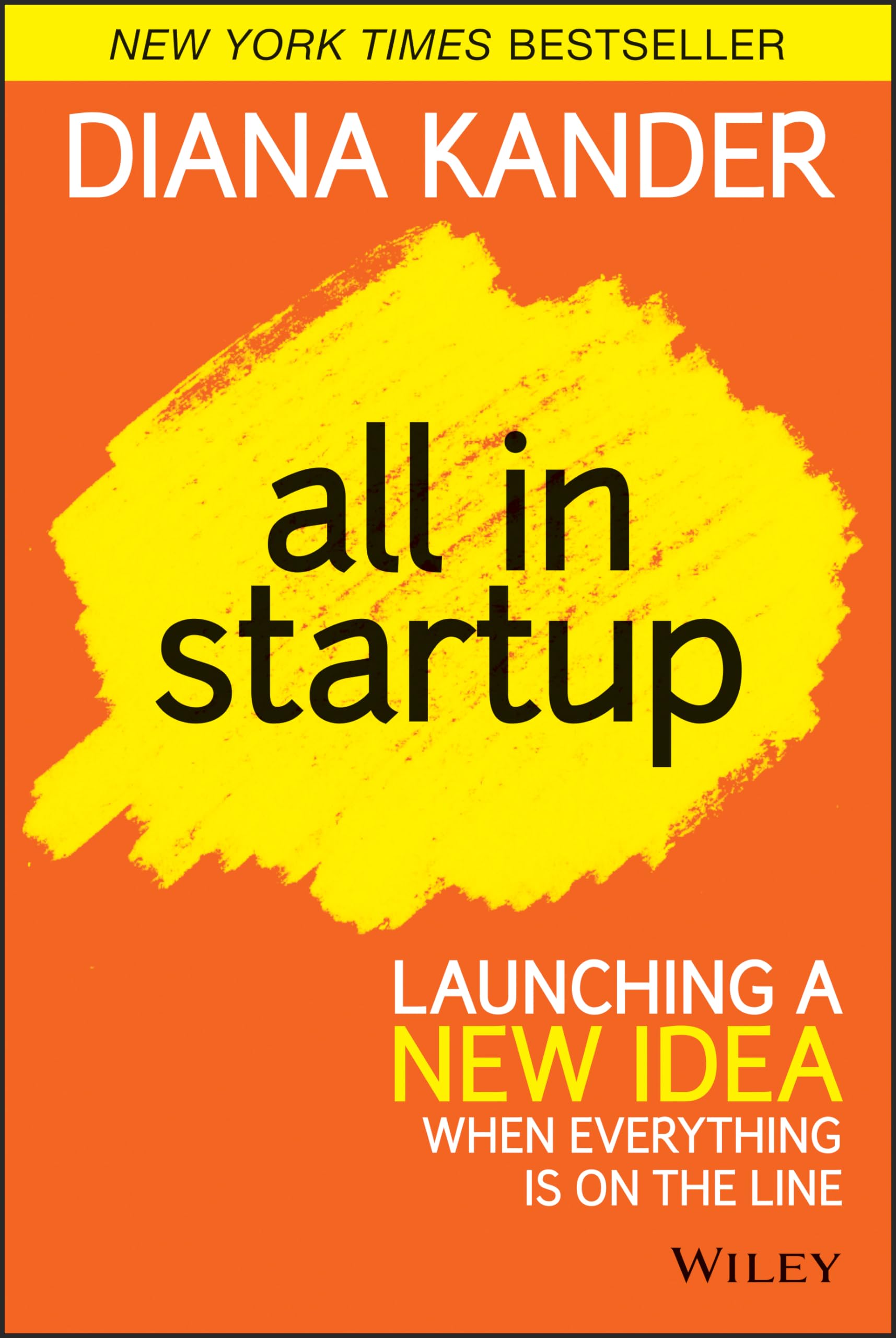
Full description not available
P**Y
I have read so many boring books about startups
My first thought was, this book is too d-mned expensive; I mean really, $18.29? I was certain, it wasn't worth it! However, I found the thought of mixing a story with business concepts intriguing to say the least. I have been creating startups, writing business plans and developing products for over 20 years. By the way, I have made most of the mistakes highlighted in this book. Even though, I have read so many boring books about startups; in fact, I could probably write one, meaning rehashing what everyone else is rehashing. So I figured, why not just one more read; one more time just for the fun of it. Hell, I have lost more money over a bad dinner!Well to say the least, the book is a wakeup call for those who do not want to make 20 years of hits and misses. I am comfortably retired, so I cannot complain about being an entrepreneur. I am one of the few survivors; yes few, most do not make it. However, I really could have used this book in my hay days. It really is that good. Let’s forget about the story in the book, although I liked it. Let’s concentrate on what the story actually does; it makes you visualize business concepts in action. And believe me that will make it worth every penny. If you follow this book, you can flush out a brilliant product or service idea without going broke by creating a firm first. And, you will discover if your idea/product should be implemented or not. I will not say it work for all startups, but less say 99%. Taking her concept of doing it on the cheap to learn if your idea/product has value makes perfect sense. So, I really liked the book.Finally, I do not know Diana Kander. Amazon suggested her book in an advertisement on my Kindle e-reader; typical Amazon marketing. The reason I bought her book; I liked her writing concept of creating a story to reinforce understanding of business concepts; funny, it works! She successfully delivered an important message: creating a startup is not about vision, it’s about hard work. And by following her outline, you will quickly understand how not to make luck your business strategy. She highlights that successful business strategies depend on providing customer solutions; while demonstrating how to do this, she provides you with an understanding on how to create your own personal business formula. What more could an entrepreneur ask for?
R**W
Entrepreneurs Must Read!
All In Startup is a fantastic read! I was assigned this book by my professor for an entrepreneurship class, #ENTR300, at the University of Baltimore. It is a fast paced book that gives great insight into the difficulties of starting your own business.The author, Diana Kander, put together a wonderful read in a narrative form that gives great insight into what it takes to become a successful entrepreneur. What I liked most about the book was how easy of a read it is. It is the type of book you don’t want to put down! I bought the Kindle version but recently ordered the print version so I can go back and make notes in it.I had it read within a day and never once felt like I was doing schoolwork. Diana Kander has done a magnificent job of combining the struggles of starting your own business with a personal story involving the entrepreneur and his new-found business coach. They meet at the World Series of Poker in Las Vegas and have a couple of close encounters that could put his marriage in jeopardy, as if his business wasn’t already doing enough of that.By intertwining the personal story with the business story Diana Kander has found a way to make reading about entrepreneurship enjoyable. I recommend anyone who is venturing into the world of entrepreneurship to read this book first. It works through some great lessons that might help make you more successful. Read this book and get things right the first (or second) time around!
R**E
she thinks that the trip for the tournament is a good break for him to consider other options that he ...
In this book it tracks the progress of failing entrepreneur Owen Chase. It shows his learning process as an entrepreneur and how he relies on an unlikely character that he met at the World Series of Poker for advice. Little did he know that this fellow poker player was also entrepreneur that started a few successful businesses herself. This book shows how he implements her ideas in order to save his business as well as his failing marriage. Lisa, his business partner and wife, is at a wits end with the business and its putting a strain on the marriage.she thinks that the trip for the tournament is a good break for him to consider other options that he could take his business. While the WSOP was distracting him he still had his sights set on using the earnings to revamp his business.The thing that i liked about the book was that it wasn't a straight forward approach. Every lesson that was taught in the book had real world applications and forced you to think about the concept itself.The thing I didnt like about the book was how it ended , I would have liked to know how did he do at the final table. I also didnt like how the book didnt dig deeper into how his business actually started. Such as his motivations and other things like that.I am a University of Baltimore student enrolled in the survey Entrepreneurship course and that this was my recommended reading.
K**R
Like a porterhouse steak deliver on a Zoo Pals plate.
Fun to read, you do learn stuff. I told the story that happens to my frie ds and the laughed.. it is unbelievable, but matches the lesson very well. Would recommend.
J**E
Awesome!
At first I thought it would be cheesy but I got great insights o it and i couldn’t stop reading it.
J**N
Brilliant
Best book I have read on starting your own business. Thr use of poker is also a brilliant conceptual framework.
J**N
Great book, great story and great review of the Lean principles !
And an easy read!You can't go wrong with that one.If you're into entrepreneurship close or afar, read it. Actually, consider it a must-read. Don't build something nobody wants, build something that solves problems to someone.The key takeaways are highlighted, making it even more convenient for further reviewsThanks Mrs Kander !
G**G
This is the first book I want to spend time to rate and comment
Although I bought many books from Amazon, I seldom rate a book or put comments. "All in startup" is one of few books I read from beginning to the end without stop in the middle. The book successfully tells a vivid story to teach useful insights of starting a startup. It is a good reading.
A**L
In the jungle of startup books, this one really stands out
I regularly read startup books, and my impression is that there's quite some variability in the quality and usefulness of the books available. Not all startup books are comparable, of course - some are quite technical (e.g. "The smart entrepreneur" by Clarysse & Kiefer), some less so (e.g., "Zero to one" by Peter Thiel), et cetera. However, Kander's book somehow stands out in terms of pure quality. It's a rather original setup: Giving startup advice by writing a novel about two people passionate about startups. And it really works.In short, Kander's book is about Owen, who runs a failing bicycle business, and Samantha, a startup veteran. They meet at the World Series of Poker tournament and strike up a friendship of sorts, where Owen interrogates Samantha about startups, and Samantha criticises Owen's lack of systematic approach to building a startup and his errors of judgement. At the same time, the poker tournament and its elements of luck, investment and gamble serves as a backdrop for the conversations, providing many analogues to the world of startups.The main points of the book, also summarized in an introductory chapter, are:1. Startups are about finding customers, not building products2. People don't buy products or services; they buy solutions to their problems3. Entrepreneurs are detectives, not fortunetellers4. Successful entrepreneurs are luck makers, not risk takersWhat Kander means when making these points is that startups shouldn't build products before investigating whether a customer base exists, that people will buy products if - and only if - they percieve it as solving a problem (and thus may refrain from buying even a good product if they irrationally think it doesn't solve their problem), that entrepreneurs should use fact checking and empirical evidence to test their assumptions about their potential customer base, and that the building of a startup business should rely on making sytematic small gambles, not rely on major risks. Not only is this well formulated and sound advice, but Kander also illustrates these points in practice and applies them to a variety of situations through the setting of the novel.This book is well-written, contains useful and insightful ideas, and presents the whole line from theory to practice of these ideas through its original setting. I highly recommend buying this book if you're interesting in starting up your own business.
TrustPilot
vor 1 Woche
vor 1 Monat